 Paw Home Lab
Shared living Both
Draw separate routes for a home shared by pets
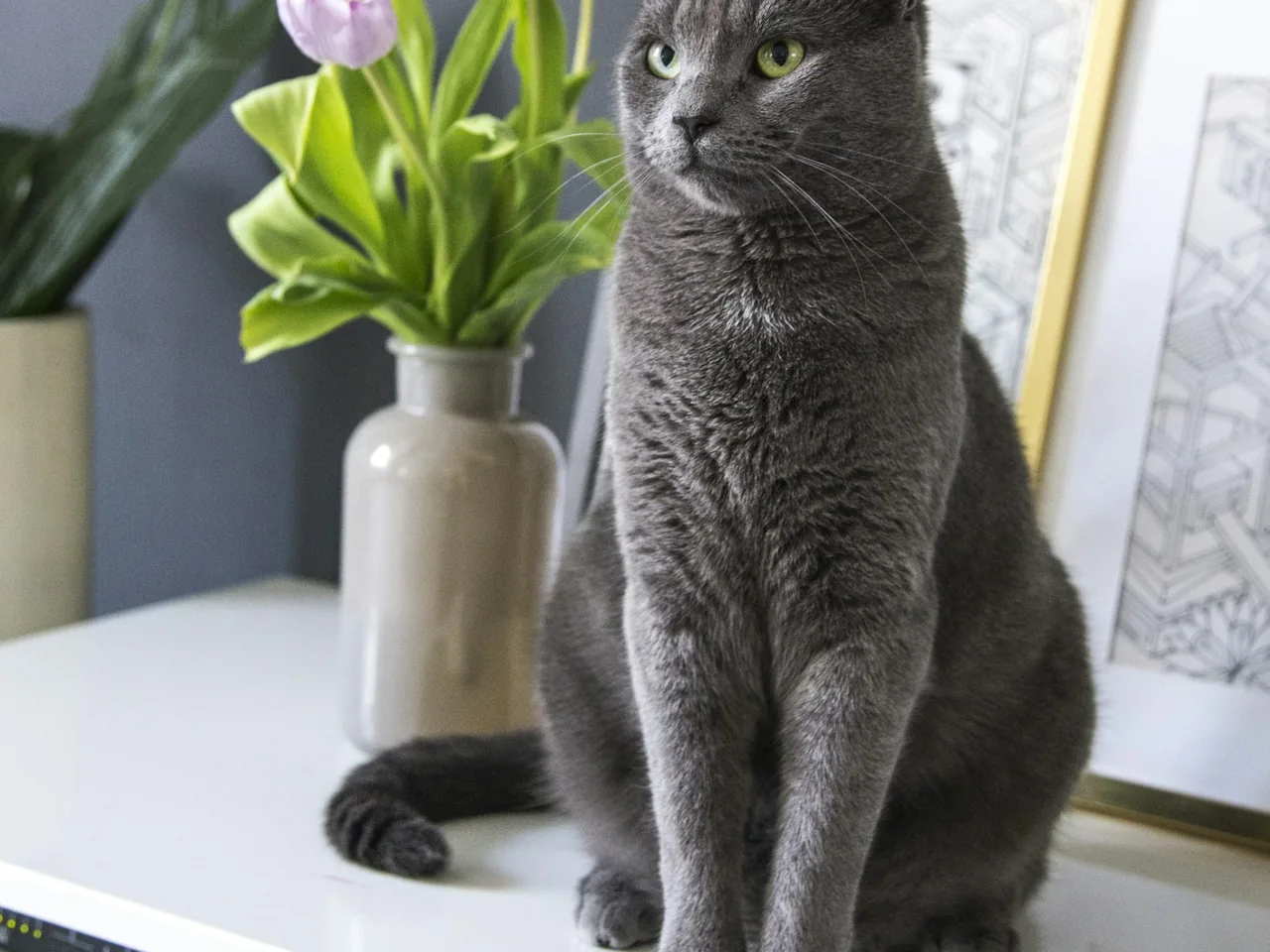
Context photograph.
Look for overlapping access before assuming that more resources in one place are enough.
Explore the roomBegin with each animal's ordinary day
Make a separate sketch for each pet: where it rests, how it reaches essentials and where it spends time with people. Then overlay the sketches. A shared floor plan can hide the fact that one animal's resting place lies across another's main route.
Do not infer a comfortable relationship merely because pets occupy the same room. Cats may not want a feline companion, and dog introductions also need individual planning. Separate resources and retreat options are practical starting points rather than a guarantee of harmony.
Find the pressure points
- Mark narrow routes and doorways where animals regularly meet.
- Look for a single resource location that can be occupied or interrupted by another pet.
- Keep individual resting options available without forcing shared use.
- Plan how the household can maintain separation when it is needed.
Change the arrangement thoughtfully
A genuinely separate location can provide a different access route. Another bowl beside the first may simply duplicate the same point of friction. Choose one specific spatial question and record what you change so the result remains understandable.
Keep introductions separate from decorating. A newly arranged room does not replace a gradual introduction plan or make unsupervised contact appropriate. Follow guidance tailored to the species and animals involved.
Review without staging encounters
Observe ordinary movement from a suitable distance. Do not place animals together to test whether the new layout works. Note the conditions under which routes are used or avoided, and preserve secure separation when the situation requires it.
If access is blocked or interactions are difficult or unsafe, obtain qualified individual support. The planner can help describe the environment to that professional; it cannot assess the relationship or supply a complete behaviour plan.
Sources & practical application
These principles inform the guide. Household worksheets, examples and sequencing are our editorial application, not reported experiments or endorsements by the source organisations.
Source principle: Cats may not want a feline companion. Space out resources and assess each animal individually.
Source principle: Prepare separate resting resources and plan introductions around the dogs rather than forcing proximity.
Checked October 16, 2026. How we prepare guides · Report a correction.